For 150 years, Womble Bond Dickinson has been forging new frontiers. We don’t wait for change. We help clients get ahead of it by accelerating progress, pushing beyond boundaries, and leading with confidence. That’s what this milestone represents and why it matters for where you’re headed next.
KLapper Add-In for iManage Work Web
Native AI Intelligence, Right Inside iManage Work Web
What attorneys can do?
- Ask natural-language questions and get intelligent answers
- Interact with AI directly inside the document preview window
- Create and save new documents inside iManage
- Eliminate manual searching
For more detail, Visit Booth# 343 at ALM Legalweek 2026

Click for video: https://www.youtube.com/watch?v=dnxI-z9kqwc
Many legal teams have already proven that AI can deliver value.
Pilot projects show promising results in document review, contract analysis, investigations, and legal research. But when it comes time to scale these initiatives, progress often slows — or stops entirely.
The reason is almost always the same: privacy and regulatory risk.
Why Legal AI Struggles to Scale
AI systems require large volumes of high-quality, real data. Yet as AI initiatives expand, legal teams face growing concerns around:
- Exposure of personal and sensitive data
- Inconsistent anonymization practices
- Regulatory obligations across jurisdictions
- Loss of control as data moves across systems and vendors
What works in a controlled pilot environment often breaks down at scale.
Scaling AI Starts with Data Protection
To scale legal AI responsibly, privacy cannot be treated as a downstream control. It must be built into the foundation of how legal data is managed.
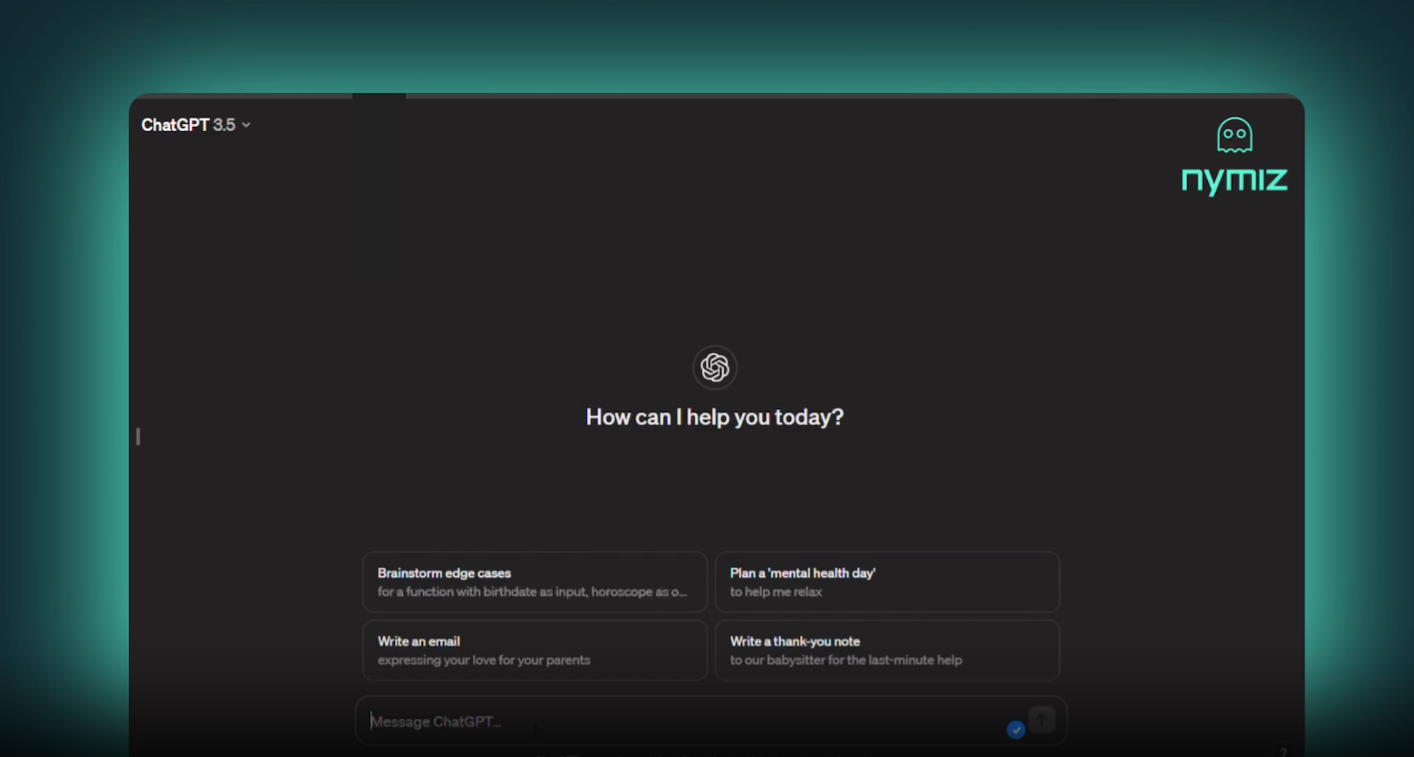
Nymiz enables organizations to scale AI initiatives by ensuring that sensitive legal data is protected before it is used for training, analysis, or sharing. This infrastructure-level approach allows legal teams to:
- Use real data across multiple AI use cases without reintroducing risk
- Apply consistent anonymization across large and evolving datasets
- Maintain compliance as data volumes and workflows grow
- Reduce reliance on manual controls that don’t scale
By standardizing anonymization at the infrastructure level, organizations can scale AI initiatives more efficiently; often reducing preparation time by up to 80% while maintaining close to 85% anonymization accuracy across growing datasets.
From Pilot Projects to Enterprise-Ready AI
When privacy is embedded into legal data infrastructure, scaling AI becomes a matter of expansion — not risk management.
Legal teams gain the ability to:
- Move AI projects from pilot to production
- Support multiple tools and teams with the same protected datasets
- Build trust with stakeholders, regulators, and leadership
- Innovate faster without sacrificing compliance
This shift turns privacy into a strategic advantage rather than a limiting factor.
Join Us at Legalweek 2026
We’re meeting with legal and security leaders during Legalweek to discuss how privacy-first collaboration can scale without adding friction or risk.
Schedule a meeting with our team before Legalweek to make the most of your time in New York.
And if you’re onsite, you’ll find us at Booth 612.
Cat Casey, known to many in legal tech as “Technocat,” had a great interview with Brian Kelley, VP of Product at CloudNine about one simple theme: Choice matters more than ever in modern eDiscovery.

Why On-Prem and Flexible Deployment Are Resurfacing
It’s easy to frame on-premise deployment as a relic of the past. But that’s not what we’re seeing.
In certain environments like regulated industries, government and sensitive investigations control of the data still matters. Data residency matters. Air-gapped review environments matter.
What we discussed is not nostalgia. It’s response as many eDiscovery platforms are moving to “Cloud Only” options.
Modern eDiscovery teams want:
- Cloud when speed and scale matter.
- Ability to manage ALL data types both traditional and modern
- On-prem when control and security matter.
- Hybrid when reality demands both.
Choice is no longer a luxury feature, it’s a risk management strategy.
See recent case studies, AI resources, and innovations, all grounded in defensible process and real-world results.
As the legal industry gathers this week, TCDI is showcasing the work behind the conversations. We’ve launched a dedicated Legalweek Event Page designed for those who want more than buzzwords. Inside, you’ll find our latest case studies, thought leadership, AI resources, and product innovations, all grounded in defensible process and real-world results.
From earning the 2025 LegalTech Breakthrough Award for Best Use of AI in eDiscovery for the second consecutive year, to consistently helping clients achieve measurable results, TCDI continues to focus on what matters most to legal teams. Practical innovation. Smarter data strategy. Process-driven AI that stands up in court and scales in practice.

Explore the page to see what we’ve been building and how it can support your next matter: https://www.tcdi.com/legalweek-2026/
Turn institutional knowledge and best practices into structured, repeatable processes, scaling standards across teams.
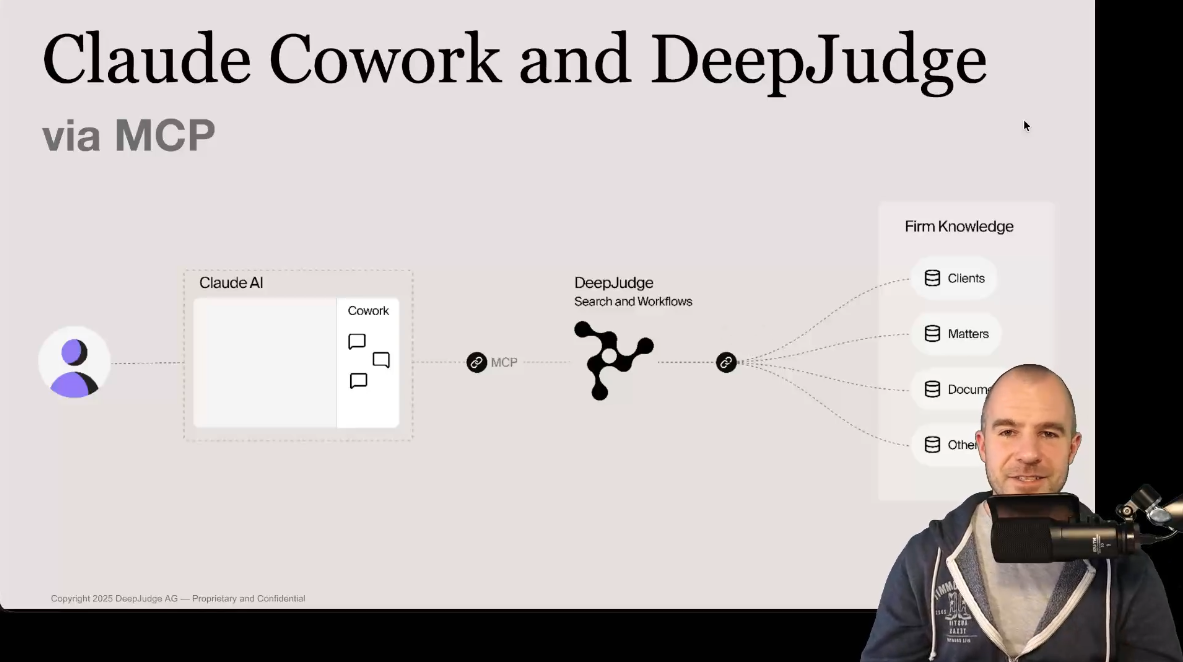
In this video, Yannic Kilcher, PhD, co-founder and CTO at DeepJudge, breaks down the surprisingly seamless way that frontier models like Claude can be wired directly into a firm’s proprietary data. He shows step-by-step how the Model Context Protocol (MCP) allows Claude to call DeepJudge to perform permission-aware searches across a firm’s own prior matters and work product. You’ll learn why generic LLM wrappers are becoming table stakes, and how the real power of legal AI lies in anchoring models to a firm’s institutional knowledge, context, and provenance.
See how Jarvis’ new OCR Agent extracts text from documents—including handwritten notes—quickly and accurately.
This demo walks through:
- Uploading a mixed-content PDF
- Correcting recognition errors with human-in-the-loop
- Sending extracted data to a downstream system
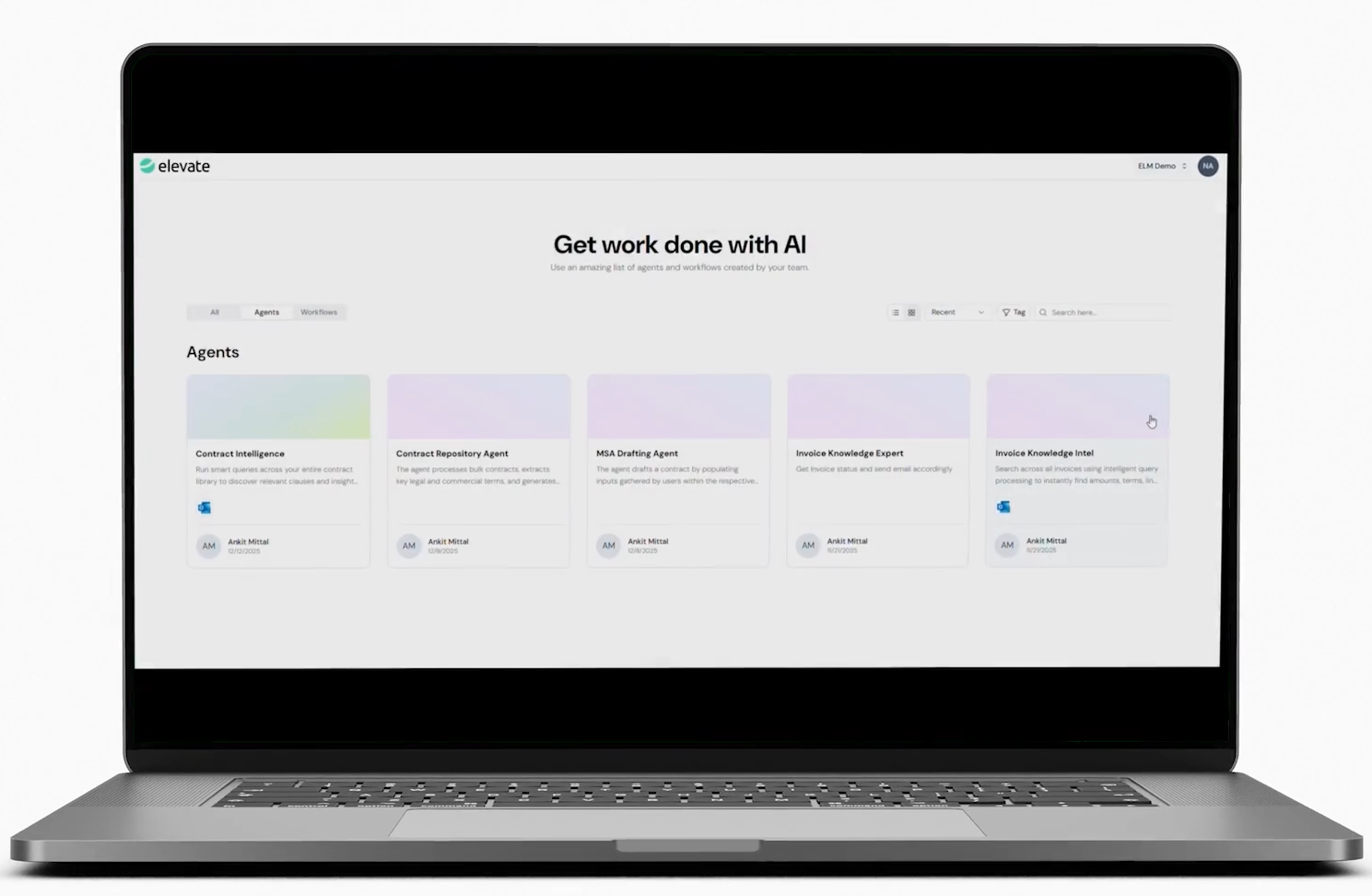
Empower your legal team in their AI journey. Easily automate bespoke and routine processes, include agentic steps in workflows, create AI agents, and simplify how you work.
Now, legal teams can build and deploy custom, bespoke enterprise AI agents to automate a wide variety of legal tasks. ELM’s Automation Agent (ELMA) combines deep legal expertise with powerful Agentic AI capabilities.
Build custom legal workflows by describing modular steps in plain English. Simplify, test and scale automations with clarity and precision, and deploy instantly.
Click to learn more and visit Elevate at Legalweek, booth 461.