The capabilities don’t end here.
Speak with one of our digital forensic experts at LegalWeek booth 3200 to better understand your needs and if Oxygen Forensic® Detective Network is the right software for you.

Cloudficient, a leader in seamless information governance and eDiscovery solutions, announces the release of a groundbreaking book, Foundational eDiscovery: A Practical Guide to Early Case Management. Co-authored by Cloudficient employees and industry veterans John Price and Brandon D’Agostino, this essential guide brings clarity and practical strategies to the complex, high-stakes world of eDiscovery.
Foundational eDiscovery is designed for legal professionals, IT teams, and business leaders who must navigate the challenges posed by electronically stored information within regulatory and litigation contexts. Bridging the gap between legal requirements and technical implementation, the book builds a framework for readers to strengthen their eDiscovery processes from the ground up.
“Our goal with this book is simple—to take what seems insurmountable and make it actionable,” John Price said. “Foundational eDiscovery equips professionals with both quick wins and long-term strategies, ensuring defensible and efficient practices in every phase of discovery.”
The book focuses on the critical early phases of eDiscovery that define overall success, offering helpful frameworks for foundational stages:
“Organizations face skyrocketing ESI volumes,” Brandon D’Agostino adds. “By breaking down silos—between IT, business, and legal functions—readers can build cohesive strategies that not only meet deadlines but significantly reduce costs and risks.”
The authors bring unique perspectives to these challenges. John Price’s experience in eDiscovery technology and Brandon D’Agostino’s background as both an attorney and technologist provide readers with a comprehensive view of the technical and legal aspects of early case management.
To celebrate the launch, Cloudficient will offer complimentary copies of the book at their booth (#1305) during Legalweek 2025. The book is also available for purchase through Amazon.
Repetitive tasks, such as document anonymization, consume a significant amount of time in law firms. Manually processing data in contracts, files or reports generates delays, high costs and increases the risk of errors.
Automating these processes is key to freeing legal professionals from administrative tasks and allowing them to focus on strategic matters. This is where Nymiz makes the difference.
Pain points in manual data management
Nymiz automates the anonymization process, allowing law firms to process large volumes of documents quickly and accurately. This automation not only speeds up the workflow, but also minimizes the risk of errors.
Demo video: How to optimize time when anonymizing data
Nymiz presents you with a fast, personalized and secure way to anonymize large amounts of documents in a single click: batch processing.
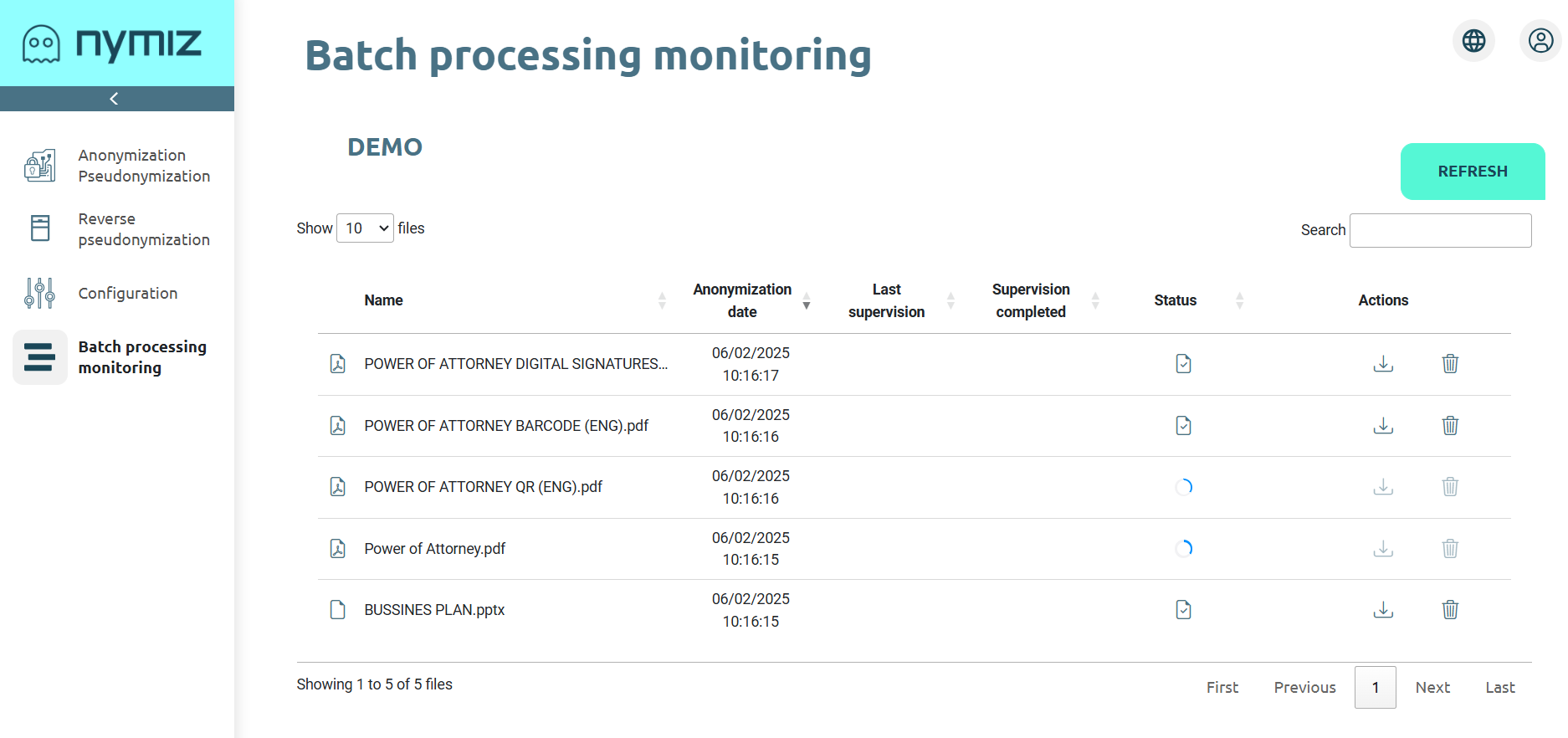
With this feature, you won’t have to anonymize files individually, and you’ll do it in record time!
Save time and effort. Crossing out data is a thing of the past. Automate document anonymization and save time and effort with batch processing:
Optimizing workflows in a law firm is a key strategy to improve productivity and profitability. With Nymiz, you can automate data anonymization and free up time to focus on business growth.
Schedule a demo at Legalweek 2025 and discover how our technology can help you: https://www.nymiz.com/book-demo/
At Edge Marketing, we have always believed in staying ahead of the curve. The world of marketing and public relations is changing faster than ever before, and if you’re standing still, you’re already behind. AI is transforming the way we discover and consume information—and we’re not just embracing the change; we’re leading it.
In today’s digital age, the rapid evolution of mobile and cloud technology has transformed how individuals and businesses communicate, store, and share information. With the proliferation of smartphones, tablets, and cloud-based storage services, these platforms have become essential sources of data for legal investigations. This white paper highlights the tremendous benefits of understanding and utilizing mobile and cloud data sources in the eDiscovery process, emphasizing how they enable more accurate, efficient, and comprehensive investigations for legal teams and organizations.
eDiscovery (electronic discovery) refers to the process of identifying, collecting, and reviewing electronically stored information (ESI) for use in legal cases. Traditionally, eDiscovery focused on more conventional data sources, such as emails, documents, and hard drives. However, the explosion of mobile devices and cloud computing has introduced new challenges and opportunities for eDiscovery professionals.
The increasing volume, complexity, and significance of mobile and cloud-based data in litigation make it essential for legal teams to develop strategies to effectively manage and analyze these data sources. Failure to do so can result in missed evidence, costly delays, and legal ramifications. In this paper, we explore the reasons why understanding mobile and cloud data is vital to modern eDiscovery, and how embracing these sources can unlock significant benefits in legal investigations.
Smartphones and tablets have become the primary, and often only, tool for communication, commerce, and information-sharing. With billions of users worldwide, mobile devices store vast amounts of personal and professional data, ranging from text messages and emails to app data, photos, videos, and location history.
Unlike traditional computer systems, mobile devices offer unique data sources—such as GPS, accelerometers, and microphones—that can provide crucial context for investigations. Legal professionals are increasingly turning to mobile data as a key source of evidence in cases related to criminal activity, corporate misconduct, and civil disputes. The advent of encrypted messaging services and app-based communication further underscores the importance of mobile data in today’s legal landscape.
Cloud computing has revolutionized how individuals and organizations store and access data. Services like Google Drive, Dropbox, and Microsoft OneDrive offer vast storage capacities, enabling users to store everything from documents and emails to databases and multimedia files. As businesses migrate their data to the cloud, eDiscovery teams must understand how to access, preserve, and review this data for legal purposes.
Cloud platforms also provide flexibility in terms of access, collaboration, and sharing, often across different geographic regions. However, this decentralization can complicate the identification of relevant data, particularly when the data is hosted by third-party service providers. Legal teams need to be equipped with the knowledge and tools to navigate cloud storage systems and retrieve critical data for investigation.
Mobile and cloud data sources provide a broader and more nuanced view of a case. For example, text messages, photos, or social media interactions stored on mobile devices can offer insights into a person’s intentions, actions, and relationships—information that traditional forms of eDiscovery may overlook.
Cloud data, such as shared documents, email histories, or project management activity, can reveal collaboration patterns, decision-making processes, and potential areas of corporate negligence or misconduct. By including mobile and cloud data in the eDiscovery process, legal teams can ensure a more complete and accurate picture of the evidence, increasing the likelihood of identifying critical facts.
Incorporating mobile and cloud data into the eDiscovery workflow allows for faster data retrieval, processing, and analysis. Cloud-based tools enable rapid indexing, searching, and filtering of large datasets, helping eDiscovery teams to identify key information more efficiently.
Mobile devices and cloud storage often contain vast amounts of unstructured data, such as messages, images, and logs. With the right tools, this data can be quickly reviewed, reducing the time spent sifting through irrelevant information. As a result, legal professionals can focus on the most pertinent evidence, accelerating case timelines and reducing costs associated with manual review.
The growing role of mobile and cloud data in legal investigations has also highlighted the importance of data preservation and legal compliance. Proper handling of mobile and cloud data ensures that evidence is not inadvertently altered or deleted, which could impact the outcome of a case. Legal teams must establish protocols for data collection, preservation, and chain-of-custody to ensure compliance with legal and regulatory standards.
Moreover, understanding cloud data storage policies, service level agreements (SLAs), and privacy laws can help eDiscovery teams navigate the complexities of cross-border data transfers and jurisdictional challenges. A failure to comprehend these nuances could lead to violations of data privacy laws and affect the admissibility of evidence in court.
A deeper understanding of mobile and cloud data sources reduces the risk of missing key evidence, misinterpreting data, or overlooking valuable information. By leveraging specialized eDiscovery tools and techniques designed for mobile and cloud platforms, legal teams can more accurately assess the relevance of data and its potential impact on the case.
For instance, analyzing geolocation data from mobile devices can provide crucial insights into a person’s whereabouts at specific times, adding layers of context to witness testimony or alibis. Similarly, cloud-hosted collaboration tools may reveal conversations or documents that point to corporate fraud or misconduct. By incorporating these data points, legal teams can make better-informed decisions, increasing the likelihood of success in litigation.
To effectively manage mobile and cloud data, eDiscovery professionals should invest in specialized tools that can automate data extraction, analysis, and review. Many platforms offer built-in mobile and cloud data capabilities, allowing legal teams to seamlessly integrate these data sources into their workflows. Oxygen Forensics products are the only all-in-one solution in the industry.
Establish clear protocols for data collection from mobile devices and cloud services. This should include a thorough understanding of the platforms being used, access points, and data preservation requirements. Legal teams should also be familiar with device forensic techniques and cloud data extraction methods to ensure that data is collected accurately and in compliance with legal standards.
As mobile and cloud technologies evolve, so do the laws and regulations surrounding data privacy, access, and cross-border transfer. eDiscovery teams must stay up to date on the latest legal developments to ensure that their practices remain compliant and defensible in court.
As mobile and cloud technologies continue to play an ever-larger role in both personal and business affairs, their significance in the eDiscovery process cannot be overstated. Legal teams that understand how to harness mobile and cloud data will gain a substantial advantage in their investigations—helping to uncover critical evidence, reduce case timelines, and minimize risks.
By embracing these data sources, law firms and corporations can ensure more comprehensive, efficient, and accurate legal outcomes. In the increasingly digital world, mastering the complexities of mobile and cloud-based eDiscovery is no longer optional—it is essential for achieving success in modern legal practice.
Lee Reiber, CEO – Oxygen Forensics, Inc.
#AI #LegalTech #eDiscovery #LegalInnovation #Investigations #Legalweek2025
In an industry as sensitive as the legal sector, confidential data forms the basis of all operations. From contracts to files and evidence, legal professionals must ensure that this information is protected, especially in an ever-evolving regulatory environment. However, complying with privacy regulations such as the California Consumer Privacy Act (CCPA) or the Health Insurance Portability and Accountability Act (HIPAA) can be a daunting task without the right tools.
The biggest challenge facing law firms is protecting sensitive data without sacrificing operability. How can you share information, analyze data, or collaborate across teams without compromising security or violating regulations?
This is where Nymiz comes in, offering a solution that allows you to anonymize and deanonymize data as needed, while maintaining both the security and operational value of the information. Let’s see how this technology can transform data management in law firms.
Nymiz provides an advanced reversible or irreversible anonymization solution (also called pseudonymization) that is tailored to the needs of the legal industry.
This technology offers the following key capabilities:
The implementation of Nymiz brings multiple strategic benefits that strengthen both the security and competitiveness of the firm.
Seeing how it works is the best way to understand it. Here’s a demo showing how to automate legal document anonymization with Nymiz: https://youtu.be/MmJHDRC0wqw
Protecting sensitive data is no longer just a technical issue; it’s a strategic necessity for any firm that wants to stay competitive in the legal market. With Nymiz, legal professionals can protect information without losing access to its operational value, comply with regulations in different regions, and improve the trust of their clients.
Schedule a personalized demo during Legalweek 2025. Book your appointment now!
From March 24 to 27, LegalWeek 2025 will bring together thousands of legal leaders, technology experts and global providers in New York to discuss the most innovative trends in the sector. This year, Nymiz is proud to participate in this benchmark event, bringing our advanced data anonymization solutions to professionals interested in improving privacy and efficiency in their operations.
Data protection regulations, such as the GDPR in Europe or the CCPA in the United States, have imposed new standards of security and transparency in the handling of information. However, non-compliance with these regulations remains a constant threat.
In recent years, cyberattacks, unauthorized access, and human error have led to a significant increase in fines for data breaches. For law firms, protecting their clients’ sensitive information is not only a legal obligation, but an indispensable requirement to maintain their reputation and competitiveness.
At Nymiz, we understand that data privacy must be addressed from a strategic and operational perspective. Therefore, we offer advanced automated anonymization technologies, designed to:
With our solutions, legal firms can transform privacy into a competitive advantage.
For Nymiz, the US legal market represents a key opportunity. Law firms, compliance departments and large companies are constantly looking for technological solutions to help them comply with local and international regulations. The California Consumer Privacy Act (CCPA), along with other emerging state laws, has put even more pressure on data security and management in the country.
Participating in LegalWeek 2025 allows us to present our solutions to key industry leaders in the United States and explore strategic collaborations to drive innovation in privacy and data protection.
If you attend LegalWeek 2025, you will have several opportunities to meet us:
Data privacy is more relevant than ever in the legal sector. At Nymiz, we are committed to delivering innovative solutions that not only comply with regulations, but also improve our clients’ operational efficiency and security.
Ready to transform data privacy into a competitive advantage?
